પ્રસ્તાવના
આ બ્લોગ કુમારસમ્ભવ નામના મહાકાવ્ય પર આધારિત છે, જે સંસ્કૃત સાહિત્યના અતિશય શ્રેષ્ઠ કાવ્યોમાંનું એક માનવામાં આવે છે. આ કૃતિમાં ભગવાન શિવ અને પાર્વતીના દિવ્ય મિલન, તપસ્યા, પ્રેમ, વિરહ અને અંતે કાર્તિકેય (કુમાર)ના જન્મ સુધીની ગાથા કાવ્યાત્મક ભવ્યતા સાથે વર્ણવાય છે. કવિએ પ્રકૃતિ, માનવીય ભાવનાઓ અને દૈવી તત્ત્વોને એકસાથે ગૂંથીને એક એવી કલાત્મક રચના સર્જી છે, જે સૌંદર્ય અને આધ્યાત્મિકતા બંનેનું અનોખું સંયોજન છે.
આ લેખમાં આપણે કાવ્યનો પરિચય, કવિનો પરિચય, કાંડવાર (સર્ગવાર) સંક્ષેપ, પાત્રવિશ્લેષણ, મુખ્ય વિષયો, કાવ્યશૈલી, પ્રતિકો અને આધુનિક પ્રાસંગિકતા વિગતે સમજશું.
કવિ પરિચય — કાળિદાસ

કાળિદાસ સંસ્કૃત સાહિત્યના સર્વોત્તમ કવિઓમાં ગણાય છે. તેમની રચનાઓમાં ભાષાની મધુરતા, અલંકારોની સમૃદ્ધિ, પ્રકૃતિનું જીવંત ચિત્રણ અને માનવીય ભાવનાઓની સૂક્ષ્મ અભિવ્યક્તિ જોવા મળે છે. તેમની મુખ્ય કૃતિઓમાં અભિજ્ઞાનશાકુંતલમ, રઘુવંશમ, મેઘદૂતમ અને કુમારસમ્ભવનો સમાવેશ થાય છે.
કાળિદાસની કાવ્યદૃષ્ટિમાં:
પ્રકૃતિ અને માનવજીવનનું ઘનિષ્ઠ જોડાણ
પ્રેમ અને તપસ્યાનો તત્ત્વજ્ઞાનિક અર્થ
શૈલીમાં લય, સૌંદર્ય અને સરળતા
ઉપમા અને રૂપકનો કલાત્મક ઉપયોગ
કુમારસમ્ભવમાં કવિએ દૈવી પ્રેમને માનવીય સંવેદનાઓ સાથે જોડીને કાવ્યને અવિસ્મરણીય બનાવ્યું છે.
કાવ્ય પરિચય — કુમારસમ્ભવ:
કુમારસમ્ભવનો મુખ્ય વિષય ભગવાન શિવ અને પાર્વતીના મિલન દ્વારા કાર્તિકેયના જન્મની કથા છે. દેવતાઓ તારકાસુર નામના અસુરથી પીડિત છે. તેમને વિજય મેળવવા માટે શિવપુત્રનો જન્મ જરૂરી છે. પરંતુ શિવ વૈરાગ્યમાં લીન છે. પાર્વતી તપસ્યા દ્વારા શિવને પતિરૂપે પ્રાપ્ત કરે છે અને અંતે કાર્તિકેયનો જન્મ થાય છે, જે અસુરવધ માટે જન્મેલા દેવસેનાપતિ છે.
સર્ગવાર સંક્ષેપ (કાંડવાર વિસ્તૃત વર્ણન)
સર્ગ 1 — હિમાલયનું મહિમાવર્ણન
કાવ્યની શરૂઆત હિમાલયના વૈભવશાળી વર્ણનથી થાય છે. હિમાલયને પર્વતોના રાજા તરીકે દર્શાવવામાં આવે છે. તે પ્રકૃતિ, પવિત્રતા અને શક્તિનું પ્રતિક છે. હિમાલયની પુત્રી પાર્વતીનો જન્મ દૈવી ઉદ્દેશ માટે થયો છે.
સર્ગ 2 — પાર્વતીનું બાળપણ અને સેવા
પાર્વતી બાળપણથી જ શિવપ્રતિ આકર્ષિત છે. તે શિવની સેવા કરે છે, ફૂલો ચઢાવે છે અને મનમાં તેમને પતિરૂપે સ્વીકારે છે. અહીં પ્રેમનો શુદ્ધ અને નિર્દોષ સ્વરૂપ દેખાય છે.
સર્ગ 3 — કામદેવનો પ્રયત્ન
દેવતાઓ શિવનું વૈરાગ્ય તોડવા કામદેવને મોકલે છે. કામદેવ વસંતઋતુનું સર્જન કરે છે, પરંતુ શિવના તૃતીય નેત્રના અગ્નિથી કામદેવ દગ્ધ થાય છે. આ ઘટના તપસ્યાની શક્તિ અને ઇન્દ્રિયજિત્ત્વ દર્શાવે છે.
સર્ગ 4 — પાર્વતીની ઘોર તપસ્યા
પાર્વતી કઠોર તપસ્યા કરે છે — ઉપવાસ, ધ્યાન અને એકાગ્રતા. આ સર્ગમાં ત્યાગ, ધીરજ અને ભક્તિનું ઉદ્ઘાટન થાય છે. પ્રકૃતિ પણ તેના તપને સાક્ષી બને છે.
સર્ગ 5 — શિવનો પરીક્ષારૂપ સંવાદ
શિવ ઋષિરૂપે આવી પાર્વતીની પરિક્ષા લે છે. તેઓ શિવના ગુણ-દોષ પર ચર્ચા કરે છે. પાર્વતી અડગ ભક્તિ દર્શાવે છે. આ સંવાદમાં તત્ત્વજ્ઞાન અને ભક્તિનો સંયમિત સંગમ છે.
સર્ગ 6 — શિવ-પાર્વતીનો મિલન
શિવ પાર્વતીને સ્વીકારે છે. દૈવી લગ્નનું ભવ્ય વર્ણન થાય છે. અહીં કવિએ ઔપચારિકતા, આનંદ અને બ્રહ્માંડની સમરસતા દર્શાવી છે.
સર્ગ 7 — કાર્તિકેયનો જન્મ
શિવ-પાર્વતીના મિલનથી કાર્તિકેયનો જન્મ થાય છે. તે દેવસેનાનો નેતા બની અસુરવિનાશ માટે અવતરિત થાય છે. દૈવી ધ્યેયની પૂર્ણતા અહીં સિદ્ધ થાય છે.
મુખ્ય પાત્રોનું વિશ્લેષણ
મુખ્ય વિષયો (Themes)
1. તપસ્યા અને પ્રેમનો સંગમ
કાવ્ય બતાવે છે કે સાચો પ્રેમ ત્યાગ અને ધીરજથી સિદ્ધ થાય છે.
2. પ્રકૃતિનું સૌંદર્ય
હિમાલય, ઋતુઓ અને દૃશ્યોનું કાવ્યાત્મક ચિત્રણ કાળિદાસની વિશેષતા છે.
3. દૈવી ઉદ્દેશ અને ધર્મરક્ષા
કાર્તિકેયનો જન્મ બ્રહ્માંડના સંતુલન માટે છે.
4. વૈરાગ્ય અને ગૃહસ્થ ધર્મ
શિવનું વૈરાગ્ય અને પાર્વતીનો ગૃહસ્થ ભાવ — બંનેનું સમન્વય.
કાવ્યશૈલી અને અલંકાર
ઉપમા: પાર્વતીના રૂપની પ્રકૃતિ સાથે તુલના
રૂપક: હિમાલયને પિતારૂપે દર્શાવવું
અનુપ્રાસ અને યમક: લયબદ્ધતા
દૃશ્યચિત્રણ: ઋતુવર્ણન અને હિમાલયનું સૌંદર્ય
કાળિદાસની ભાષા મધુર, સંવેદનશીલ અને ચિત્રાત્મક છે.
પ્રતિકો અને તત્ત્વજ્ઞાન
હિમાલય → સ્થિરતા અને પવિત્રતા
તપસ્યા → આત્મશુદ્ધિ
અગ્નિ → જ્ઞાન અને શક્તિ
વસંત → જીવન અને પ્રેમ
કાવ્ય માનવીય અને દૈવી તત્ત્વો વચ્ચેના સંબંધને દાર્શનિક રીતે રજૂ કરે છે.
આધુનિક પ્રાસંગિકતા
આ કાવ્ય આજના સમયમાં પણ મહત્વપૂર્ણ છે:
ધીરજ અને નિષ્ઠાનો સંદેશ
આધ્યાત્મિકતા અને જવાબદારી
પ્રેમ અને ત્યાગનું મૂલ્ય
પ્રકૃતિ પ્રત્યે આદર
મહત્વના અભ્યાસબિંદુઓ
ઉપસંહાર
કુમારસમ્ભવ કાળિદાસની કાવ્યપ્રતિભાનું ઉત્તમ પ્રતિબિંબ છે. તેમાં પ્રેમ, તપસ્યા, પ્રકૃતિ અને દૈવી ધ્યેયનું સુમેળભર્યું ચિત્રણ છે. શિવ અને પાર્વતીની ગાથા માત્ર પૌરાણિક કથા નથી, પરંતુ માનવીય જીવનના મૂલ્યો — ધીરજ, નિષ્ઠા અને આધ્યાત્મિક ઉન્નતિ — નો ઊંડો સંદેશ આપે છે. આ મહાકાવ્ય સાહિત્યિક સૌંદર્ય સાથે જીવનદર્શન પણ આપે છે, એટલે તે કાલાતીત છે.
In English Language here we find overall explanation :
Introduction:
This blog is based on the classical Sanskrit epic Kumarasambhava, one of the most celebrated poetic works of ancient Indian literature. The poem narrates the divine love story of Lord Shiva and Goddess Parvati and culminates in the birth of Kumara (Kartikeya), the god destined to defeat the demon Tarakasura. Through magnificent imagery, emotional depth, and philosophical insight, the poem explores themes of devotion, love, asceticism, cosmic purpose, and the harmony between nature and divinity.
This detailed blog presents the poet’s background, structure of the epic, canto-wise explanation, character analysis, literary features, philosophical meaning, and contemporary relevance.
About the Poet — Kalidasa

Kalidasa is widely regarded as the greatest poet and dramatist in Sanskrit literature. Although precise historical details about his life remain uncertain, scholars generally place him in the Gupta period, often considered the golden age of Indian culture.
Kalidasa’s works are admired for:
Musical language and refined poetic style
Profound emotional sensitivity
Brilliant nature imagery
Philosophical depth combined with aesthetic beauty
His major works include Abhijnanasakuntalam, Raghuvamsa, Meghaduta, and Kumarasambhava. Among them, Kumarasambhava stands out as a majestic poetic portrayal of divine love and cosmic necessity.
Overview of the Epic
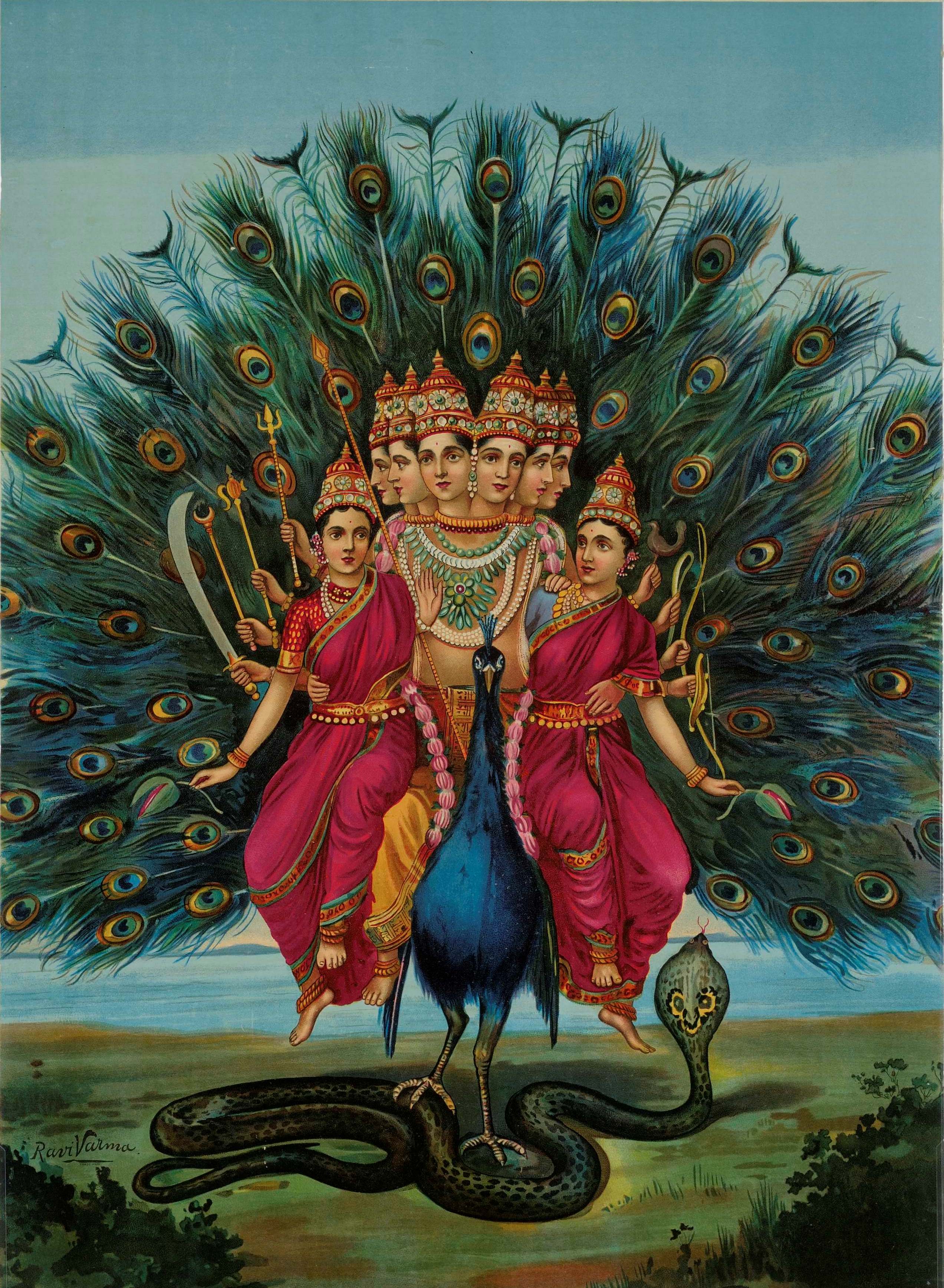
The central narrative of Kumarasambhava revolves around the marriage of Shiva and Parvati and the birth of their son Kartikeya, who is destined to restore cosmic balance by defeating the demon Tarakasura. The poem blends mythology with poetic imagination and presents a journey from ascetic detachment to divine union.
The epic emphasizes that divine creation requires both spiritual power and emotional harmony. Parvati’s devotion and Shiva’s transcendence unite to serve a universal purpose.
Canto-wise Detailed Summary:
Canto 1 — Glory of the Himalaya
The poem begins with an elaborate description of the Himalaya, portrayed as the king of mountains and the embodiment of purity and grandeur. The Himalaya is not merely a geographical entity but a living presence representing stability and sacredness. Parvati, the daughter of the mountain, is introduced as a being of extraordinary grace and divine destiny.
Canto 2 — Parvati’s Youth and Devotion
Parvati grows up with deep admiration for Shiva. She serves him with humility and devotion, symbolizing the beginning of spiritual love. Her beauty is described through vivid comparisons with nature, reflecting Kalidasa’s mastery of imagery.
Canto 3 — The Mission of Kama (God of Love)
The gods seek Shiva’s union with Parvati to produce a divine warrior. They send Kama to awaken love in Shiva’s heart. Kama creates a spring atmosphere filled with beauty and desire. However, Shiva opens his third eye and burns Kama to ashes. This event highlights the power of ascetic discipline over sensual desire.
Canto 4 — Parvati’s Severe Penance
Determined to win Shiva’s love, Parvati undertakes intense austerities. She abandons comfort, practices meditation, and endures hardship. Her penance represents spiritual dedication and unwavering faith. Nature itself appears to support her devotion.
Canto 5 — Shiva Tests Parvati
Shiva appears disguised as a sage and questions Parvati’s devotion. He speaks critically of Shiva to test her sincerity. Parvati remains steadfast and defends Shiva’s greatness. Her unwavering faith proves her spiritual worthiness.
Canto 6 — Divine Marriage
Shiva reveals his true form and accepts Parvati. Their celestial marriage is described with grandeur and cosmic harmony. The union symbolizes the balance between asceticism and worldly responsibility.
Canto 7 — Birth of Kumara (Kartikeya)
From the union of Shiva and Parvati is born Kumara, the divine commander who will defeat Tarakasura. The birth signifies fulfillment of cosmic purpose and restoration of balance.
Major Characters:
Central Themes
1. Divine Love and Spiritual Union
The relationship between Shiva and Parvati represents the union of consciousness and energy, transcendence and creation.
2. Power of Penance and Devotion
Parvati’s austerity demonstrates that true achievement requires discipline and perseverance.
3. Harmony of Nature and Divinity
Nature is not background scenery but an active participant in divine events.
4. Cosmic Purpose
The birth of Kumara illustrates that divine actions serve universal harmony.
5. Balance Between Renunciation and Engagement
The poem reconciles ascetic withdrawal with participation in cosmic duty.
Literary Features and Poetic Style
Kalidasa’s poetic genius appears in several stylistic elements:
Symbolism and Philosophical Meaning
Himalaya → Stability and spiritual elevation
Penance → Self-purification and transformation
Fire of Shiva’s Third Eye → Knowledge destroying ignorance
Spring Season → Awakening of life and love
Marriage → Cosmic integration
The poem suggests that spiritual growth requires both inner discipline and compassionate engagement with the world.
Cultural and Spiritual Significance
Kumarasambhava occupies a central place in classical Indian thought because it connects mythology with philosophical insight. The narrative teaches that:
Devotion can transform destiny
Love and discipline are not opposites
Creation emerges from harmony of forces
Divine events reflect universal principles
The epic also reflects ancient Indian views of nature as sacred and interconnected with human life.
Contemporary Relevance
Even in modern times, the poem offers meaningful lessons:
Perseverance leads to fulfillment
Balance between work and contemplation is essential
Emotional strength arises from inner discipline
Cultural heritage carries timeless wisdom
The story resonates beyond religious context as a metaphor for personal growth and purposeful action.
Key Study Points
Conclusion:
Kumarasambhava stands as a timeless masterpiece that harmonizes poetry, philosophy, and spirituality. Through the journey of Shiva and Parvati, Kalidasa presents a vision of existence where love, discipline, and cosmic responsibility coexist. The epic is not merely a mythological narrative but a profound reflection on human aspiration and divine purpose.
Its beauty lies in its ability to transform a sacred story into a universal message about perseverance, harmony, and spiritual realization. For centuries, the poem has inspired readers with its artistic elegance and philosophical depth, securing its place as one of the greatest achievements of world literature.
References:
Britannica Editors. "Kumarasambhava". Encyclopedia Britannica, 11 Jul. 2017, https://www.britannica.com/topic/Kumarasambhava. Accessed 1 March 2026.
Kālidāsa. Kumārasambhava. Edited by Moreshvar Ramchandra Kāle, translated by Moreshvar Ramchandra Kāle, Motilal Banarsidass, 1981.

.png)


No comments:
Post a Comment