This blog based on the poem "Prayer Before Birth"
Introduction to "Prayer Before Birth"
Prayer Before Birth is one of the most powerful and haunting poems of the twentieth century, written by Louis MacNeice. Composed during the turbulent years surrounding the Second World War, the poem gives voice to an unborn child who pleads for protection from the cruelty, corruption, and moral darkness of the world it is about to enter. The speaker’s appeal is both deeply personal and universally human, expressing fear not only of physical harm but also of spiritual and moral destruction.
The poem reflects the anxieties of a world marked by war, dictatorship, and loss of humanity. Through vivid imagery and emotional intensity, MacNeice explores themes of innocence, fear, identity, and the struggle to remain human in a violent world. This detailed explanation examines the poet, the context, the structure, themes, and literary significance of the poem.
About the Poet — Louis MacNeice

Louis MacNeice (1907–1963) was an Irish poet and playwright associated with the generation of writers who responded to the political tensions of the early twentieth century. He lived through a time of global crisis, including the rise of fascism and the devastation of World War II. These experiences shaped his poetry, which often reflects concern for humanity, moral responsibility, and the fragility of civilization.
MacNeice’s poetry is known for:
Emotional sincerity
Clear and direct language
Political and social awareness
Exploration of individual identity
Prayer Before Birth is one of his most widely studied works because it captures the fear of a generation facing uncertainty and violence.
Historical Context of the Poem
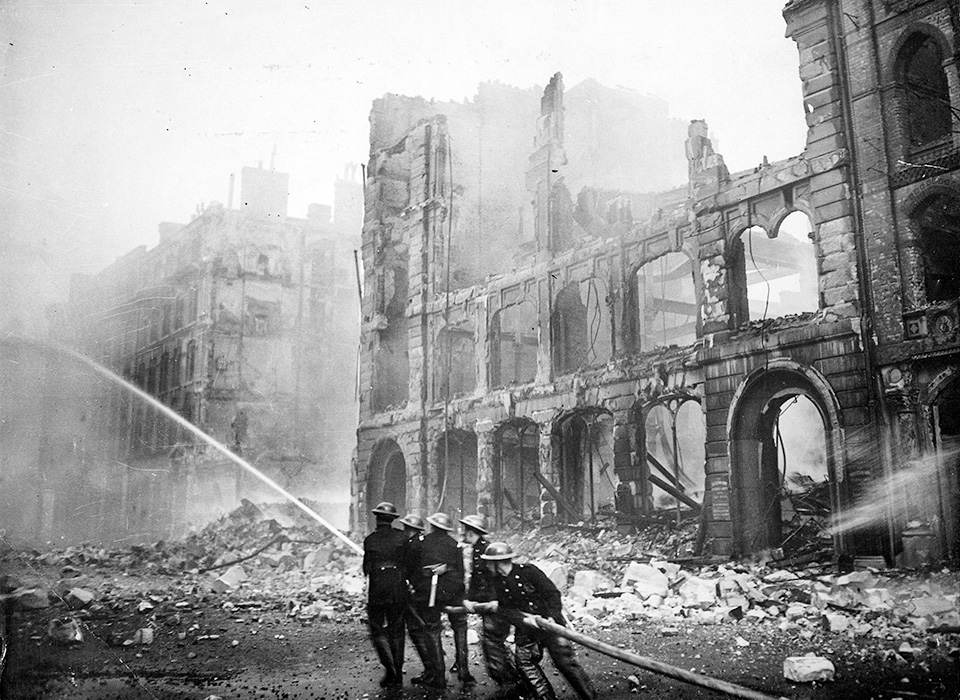
The poem was written during a period when the world was witnessing:
War and mass destruction
Totalitarian regimes
Loss of personal freedom
Technological violence
Moral crisis
In such an environment, the unborn child in the poem represents pure innocence confronting a corrupted world. The poem reflects widespread fear that humanity might lose compassion, truth, and moral integrity.
Central Voice and Structure
The poem is written as a dramatic monologue. The speaker is an unborn child addressing God before entering life. This perspective is unique because it allows the poet to present human fears at their most innocent stage.
The poem is structured as a series of urgent pleas beginning with “I am not yet born.” Each section expresses a different fear:
Fear of physical harm
Fear of moral corruption
Fear of loss of identity
Fear of manipulation
Fear of becoming cruel
The repetition creates emotional intensity and emphasizes vulnerability.
For more analysis watch this vedio,
Detailed Thematic Analysis:
1. Fear of Physical Violence
One of the most immediate concerns in the poem is bodily harm. The unborn child begs not to be subjected to violence, torture, or death. This reflects the reality of war where innocent people suffer without cause.
The child fears:
Weapons and destruction
War machinery
Brutality of human conflict
The imagery evokes bombs, barbed wire, and harsh landscapes. These symbols represent a world where survival itself is uncertain.
2. Fear of Moral Corruption
The poem goes beyond physical danger and explores a deeper fear — the loss of moral integrity. The child fears becoming someone who lies, hates, or obeys blindly.
This theme reflects the historical reality of propaganda and ideological control. The poem suggests that moral corruption is more frightening than physical suffering because it destroys the essence of humanity.
The child pleads:
Do not let me become cruel
Do not let me betray truth
Do not let me lose compassion
This reflects the poet’s belief that the greatest danger is not death but dehumanization.
3. Loss of Individual Identity
Another major concern is the fear of becoming just a number or a tool of authority. The child fears being shaped by forces beyond personal control.
This fear connects to:
Authoritarian control
Social conformity
Loss of freedom
The poem suggests that identity must be protected against systems that demand obedience over individuality.
4. Innocence Confronting Experience
The unborn child represents absolute innocence. The world it anticipates is full of experience — but experience here means suffering, conflict, and compromise.
The poem explores the tension between:
Pure existence before birth
Corrupt reality after birth
This contrast highlights how human society shapes character, often negatively.
5. Desire for Moral Strength
Despite its fear, the poem is not entirely pessimistic. The child asks for strength, integrity, and moral clarity. It wants the ability to resist hatred and falsehood.
Important Literary Devices
Repetition
The phrase “I am not yet born” emphasizes vulnerability and urgency. It reminds readers that the speaker has no defense.
Symbolism
Darkness → ignorance and evil
Cold wind → harsh reality
Iron → oppression
Chains → lack of freedom
These symbols create a powerful emotional atmosphere.
Imagery
MacNeice uses strong visual and sensory imagery to depict fear. The world appears hostile, mechanical, and unforgiving.
Tone
The tone is pleading, anxious, and intense. It creates emotional connection between reader and speaker.
Philosophical Meaning
The poem raises profound questions about human existence:
What kind of world do we create for future generations?
Can innocence survive society?
Is morality natural or learned?
What defines humanity?
The unborn child becomes a symbol of potential humanity — a reminder of responsibility toward life yet to come.
Psychological Interpretation
From a psychological perspective, the poem expresses:
Fear of social conditioning
Anxiety about identity formation
Need for ethical guidance
The unborn voice represents universal human vulnerability before experience shapes personality.
Social and Political Message
MacNeice critiques:
War and violence
Blind obedience
Propaganda
Loss of compassion
The poem is not merely personal but political. It warns against systems that transform individuals into instruments of destruction.
Universal Relevance
Although rooted in wartime experience, the poem remains relevant today because:
Violence still threatens human life
Societies still struggle with truth and morality
Individuals still seek identity and purpose
The poem speaks to every generation entering an uncertain world.
Key Points for Study
Overall Interpretation
Prayer Before Birth is both a warning and a plea. It warns humanity about the consequences of cruelty and moral failure, while pleading for protection of innocence and compassion. The unborn child represents hope — but also vulnerability. The poem suggests that the future depends on the ethical choices of the present.
MacNeice does not offer simple solutions. Instead, he forces readers to confront their responsibility toward humanity.
Conclusion:
Prayer Before Birth stands as one of the most moving poetic reflections on human vulnerability and moral responsibility. Through the voice of an unborn child, Louis MacNeice captures the fear of entering a world marked by violence and corruption. Yet beneath the anxiety lies a profound hope: that humanity can choose compassion over cruelty and truth over deception.
The poem reminds us that every generation is responsible for the world into which new life is born. Its message remains timeless because it addresses fundamental questions about identity, morality, and the meaning of being human.
References:
Mrs Rumsey. (2019, January 17). Analysis of “Prayer Before Birth” by Louis MacNeice [Video]. YouTube. https://www.youtube.com/watch?v=vIpNPPuUD1k
MacNeice, F. L. (n.d.). Prayer before Birth.
Prayer before Birth by Louis MacNeice. (n.d.). Famous Poems, Famous Poets. - All Poetry. Retrieved March 1, 2026, from https://allpoetry.com/Prayer-Before-Birth
The Poetry Archive. (2022, November 9). Prayer Before Birth - Poetry Archive. Poetry Archive. Retrieved March 1, 2026, from https://poetryarchive.org/poem/prayer-before-birth/

.png)


No comments:
Post a Comment