This Blog focuses on the "Sonnet 16" By Shakespeare.
Introduction — Sonnet 16
Sonnet 16 is one of the early procreation sonnets written by William Shakespeare. In this poem, the speaker urges a young man to preserve his beauty and youth not through poetry alone but through natural reproduction. The sonnet explores themes of time, mortality, beauty, and permanence. Shakespeare contrasts the power of art with the power of nature, ultimately suggesting that living legacy through children is stronger than written verse.
About the Poet — William Shakespeare
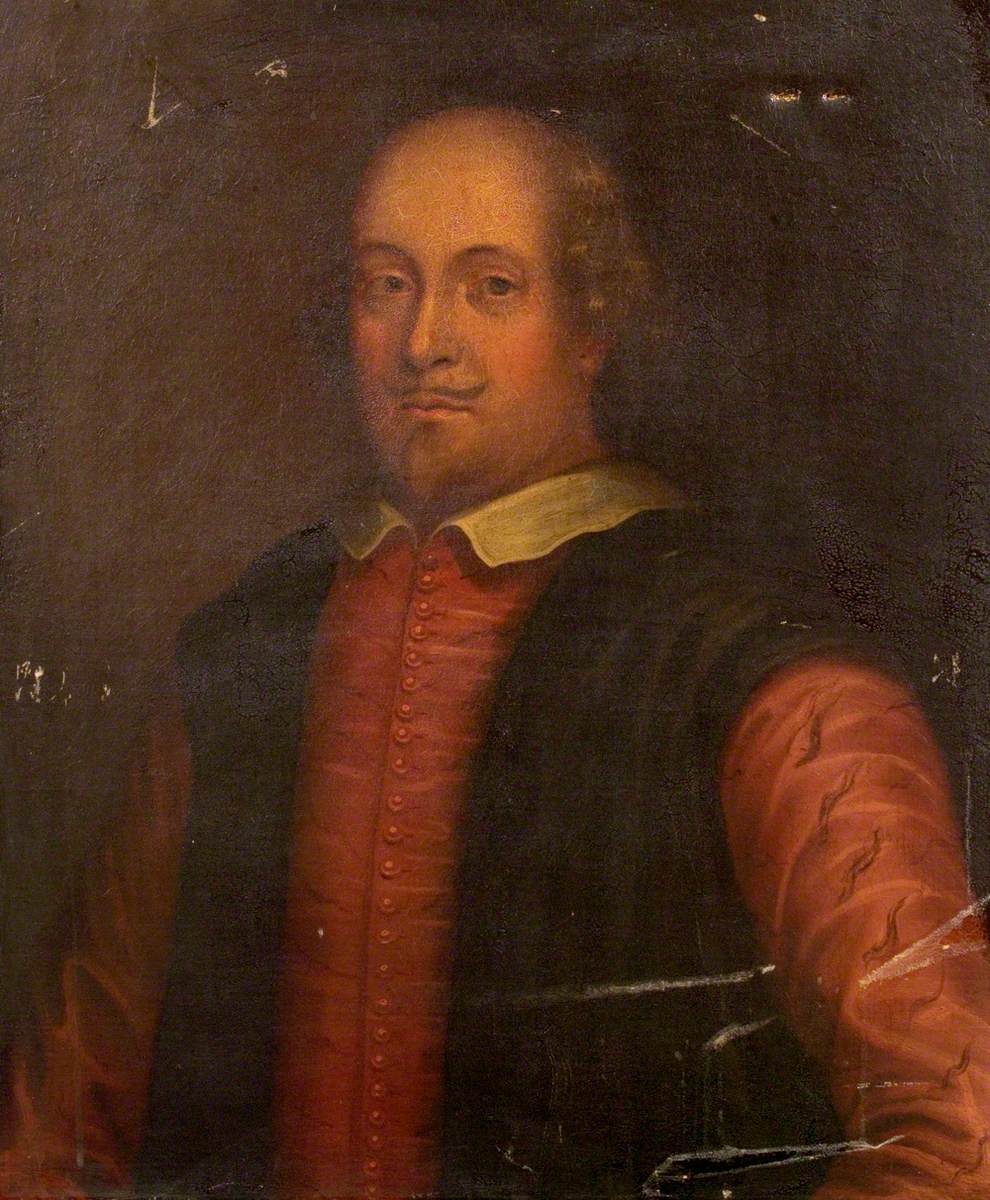
Important characteristics of Shakespeare’s sonnets:
Written in iambic pentameter
14-line structure
Exploration of time and mortality
Emotional and intellectual balance
Sonnet 16 belongs to a sequence addressed to a young man, encouraging him to preserve his beauty through offspring.
Original Text — Sonnet 16
General Meaning of the Sonnet
The speaker asks why the young man does not fight against time in a stronger way. Poetry can only create an image or representation of beauty, but having children creates a living continuation of oneself. Shakespeare suggests that reproduction preserves true life, while poetry only imitates it.
The sonnet presents two opposing forces:
Time → destructive power
Life through reproduction → preservation
Detailed Explanation of the Sonnet:
First Quatrain — Challenge Against Time
The speaker questions why the young man does not resist time more effectively. Time is described as a violent tyrant that destroys youth and beauty. Poetry is called “barren rhyme,” meaning it cannot produce real life.
Key ideas:
Time destroys physical beauty
Poetry alone cannot defeat mortality
Stronger action is required
The word “war” suggests an active struggle against aging.
Second Quatrain — Natural Creation vs Artificial Representation
The poet explains that many women would be willing to bear the young man’s children. These children would be “living flowers,” real expressions of beauty, unlike painted or written representations.
This section contrasts:
Living beauty → natural, organic
Artistic image → artificial, temporary
The metaphor of gardens and flowers emphasizes fertility and growth.
Third Quatrain — Limits of Art
The speaker admits that neither time’s painting nor poetry’s writing can fully preserve a person’s true essence. Art can show appearance but cannot create living existence.
Important ideas:
Art imitates life but does not replace it
True preservation requires biological continuity
Identity survives through living descendants
This shows Shakespeare’s awareness of the limitations of artistic immortality.
Final Couplet — Paradox of Giving and Keeping
The poem ends with a paradox: by giving yourself away (having children), you keep yourself alive. Life continues through reproduction.
Major Themes:
1. Time as a Destroyer
Time is presented as a tyrant that inevitably destroys youth. Shakespeare often treats time as an unstoppable force.
Time causes:
Aging
Decay
Loss of beauty
The poem becomes a call to resist time’s power.
2. Immortality Through Reproduction
The sonnet argues that children provide continuity of life. Beauty survives not through memory but through living existence.
Reproduction represents:
Renewal
Continuity
Natural victory over time
3. Limits of Poetry
Unlike later sonnets where Shakespeare claims poetry gives immortality, here he admits poetry is limited.
Poetry can:
Preserve memory
Represent appearance
But poetry cannot:
Create life
Stop aging
4. Nature vs Art
The poem contrasts natural creation with artistic creation.
Shakespeare emphasizes the superiority of nature.
5. Identity and Legacy
The sonnet explores how humans seek permanence. It suggests identity continues through future generations rather than artistic fame alone.
Literary Devices
Personification
Time is described as a tyrant and enemy. This makes aging seem like an active force.
Metaphor
These metaphors contrast life and art.
Paradox
Imagery
Gardens, flowers, painting, and writing create visual contrasts between life and representation.
Tone
The tone is persuasive and urgent. The speaker tries to convince rather than simply admire.
Structural Features
The sonnet follows the Shakespearean structure:
Three quatrains
One final couplet
Iambic pentameter
Rhyme scheme ABAB CDCD EFEF GG
The argument develops logically:
Problem — time destroys beauty
Solution — reproduction
Limitation of poetry
Final conclusion
Philosophical Interpretation
The poem raises philosophical questions about human existence:
What creates immortality?
Is art enough to preserve identity?
What is the relationship between life and representation?
Shakespeare suggests biological continuity is more powerful than artistic preservation.
Psychological Insight
The poem reflects human anxiety about aging and death. It also shows the desire to leave a legacy. The speaker’s persuasion suggests emotional urgency — time is already advancing.
Relation to Other Shakespeare Sonnets
Sonnet 16 belongs to a group encouraging procreation. Later sonnets claim poetry preserves beauty forever. This shift shows Shakespeare exploring different solutions to mortality.
Critical Appreciation
Scholars admire the sonnet for:
Logical argument
Balance of emotion and intellect
Natural imagery
Philosophical depth
It shows Shakespeare as both poet and thinker.
Universal Significance
The poem remains relevant because:
Aging is universal
Humans seek permanence
The tension between art and life continues
Modern readers still face the same questions of legacy and mortality.
Overall Interpretation
Sonnet 16 is not only about beauty but about survival. Shakespeare presents time as an enemy and life as resistance. By emphasizing reproduction over poetry, the sonnet highlights the difference between representation and reality.
The poem suggests that the truest form of immortality is not memory but continuation of life.
Conclusion:
Sonnet 16 offers a powerful reflection on time, beauty, and permanence. Through persuasive language and vivid imagery, Shakespeare argues that human life must actively resist destruction by time. The poem reminds readers that beauty is temporary but life can renew itself through future generations.
Its philosophical insight, emotional depth, and elegant structure make it one of the most meaningful sonnets in English literature.
References:
Academy of American Poets. (1609). But wherefore do not you a mightier way (Sonnet 16). Poets.org. Retrieved March 1, 2026, from https://poets.org/poem/wherefore-do-not-you-mightier-way-sonnet-16
Mahwite, K. (2016). William Shakespeare’s Sonnet 16 analysis. www.academia.edu. https://www.academia.edu/27396533/William_Shakespeares_Sonnet_16_Analysis
Shakespeare’s Sonnets - Sonnet 16 | Folger Shakespeare Library. (n.d.). Folger. Retrieved March 1, 2026, from https://www.folger.edu/explore/shakespeares-works/shakespeares-sonnets/read/16/
Shakespeare, W. (n.d.). Sonnet 16.

.png)


No comments:
Post a Comment