Sunday, March 1, 2026

David Copperfield by Charles Dickens

This blog based on the Novel David Copperfield by Dickens.


Introduction — David Copperfield

David Copperfield is one of the most significant novels written by Charles Dickens and is widely regarded as his most personal and autobiographical work. Published between 1849 and 1850, the novel traces the life journey of its protagonist, David Copperfield, from childhood to adulthood. Through David’s experiences, Dickens explores themes of identity, social injustice, emotional development, and moral growth. The novel is not merely a story of an individual life but a deep examination of Victorian society, human resilience, and the process of becoming a mature and responsible individual.


Written in the first-person narrative style, the novel allows readers to witness David’s emotional and psychological transformation directly. This narrative technique creates intimacy and realism, making the reader experience the protagonist’s joys, struggles, and reflections as if they were personal memories. Dickens combines social criticism with emotional storytelling, creating a work that is both a powerful social document and a moving personal narrative.

About the Author — Charles Dickens


Charles Dickens was one of the greatest novelists of the Victorian age. His works focus on social inequality, childhood suffering, and moral responsibility. Dickens experienced hardship in his own childhood when his father was imprisoned for debt and he was forced to work in a factory. These experiences deeply influenced David Copperfield, making the novel emotionally authentic.

Key features of Dickens’s writing include:

  • Strong social criticism

  • Memorable and symbolic characters

  • Emotional realism

  • Focus on personal growth

  • Advocacy for compassion and justice

David Copperfield reflects Dickens’s belief that adversity can lead to moral strength and self-discovery.

Narrative Form and Structure


https://victorianweb.org/art/illustration/barnard/dc/46.jpg

The novel is structured as an autobiographical narrative in which David recounts his life experiences. The story follows a chronological progression, tracing the development of character through experience. The narrative structure can be divided into four major phases:

  1. Childhood and Innocence

  2. Suffering and Struggle

  3. Education and Self-Discovery

  4. Emotional Maturity and Fulfillment

This structure reflects the central theme of growth through experience.

Detailed Plot Analysis:

1. Birth and Early Childhood

David Copperfield is born after the death of his father. He grows up with his gentle mother Clara and the loyal servant Peggotty. His early life is characterized by warmth, affection, and security. However, this peaceful environment is disrupted when his mother marries Mr. Murdstone.

Mr. Murdstone introduces strict discipline and emotional coldness. He represents authoritarian control and suppresses David’s individuality. Under his influence, David experiences fear, isolation, and emotional neglect. This stage marks the loss of innocence and the beginning of suffering.

2. Education and Oppression

David is sent to Salem House boarding school, where he experiences humiliation and harsh treatment. Despite adversity, he forms important friendships with James Steerforth and Tommy Traddles. These relationships influence his emotional and social development.

After his mother’s death, David is forced to work in a warehouse in London. This experience symbolizes child labor and social injustice. He suffers poverty, loneliness, and humiliation. Dickens uses this phase to criticize industrial society and the exploitation of children.

Eventually, David escapes his oppressive environment and seeks refuge with his aunt Betsey Trotwood.

3. Life with Aunt Betsey — Turning Point

Aunt Betsey becomes a transformative influence in David’s life. She provides stability, education, and encouragement. Under her care, David gains self-confidence and direction.

This phase represents:

  • Emotional healing

  • Educational opportunity

  • Moral development

David begins to shape his identity through learning and reflection.

4. Romantic Relationships and Emotional Growth

David’s romantic life reveals his psychological development. His first marriage to Dora Spenlow represents youthful illusion. Dora is charming but impractical, and their marriage lacks maturity. Through this relationship, David learns the difference between romantic fantasy and genuine partnership.

After Dora’s death, David develops a deeper understanding of love. He eventually marries Agnes Wickfield, whose character embodies wisdom, loyalty, and emotional stability. This relationship represents mature love based on understanding and respect.

5. Professional Success and Self-Realization

David becomes a successful writer. His professional achievement symbolizes intellectual and emotional maturity. Through reflection on his past, he achieves self-awareness and moral clarity.

The novel concludes with stability, fulfillment, and personal peace. David’s journey demonstrates that identity is formed through experience and perseverance.

Major Characters and Their Significance:

David Copperfield

Represents personal growth and self-discovery. His life illustrates the formation of identity through adversity.

Mr. Murdstone

Symbolizes oppressive authority and emotional cruelty. He represents rigid control without compassion.

Peggotty

Embodies kindness, loyalty, and maternal affection. She represents emotional warmth.

Aunt Betsey Trotwood

Symbol of independence, strength, and moral guidance. She provides opportunity and support.

Agnes Wickfield

Represents moral truth and mature love. She symbolizes emotional stability.

James Steerforth

Charismatic but morally weak. He represents charm without responsibility.

Major Themes — Detailed Discussion

1. Childhood and Formation of Identity

The novel presents childhood as the foundation of personality. Early experiences shape emotional and moral character. Dickens highlights the vulnerability of children in an unjust society.

2. Social Criticism and Injustice

The novel exposes social problems of Victorian England:

  • Child labor

  • Educational cruelty

  • Class inequality

  • Economic hardship

Through David’s experiences, Dickens calls for compassion and reform.

3. Personal Growth Through Suffering

Hardship becomes a catalyst for maturity. David’s struggles teach resilience, empathy, and moral awareness.

This theme reflects a central Victorian belief:
Character develops through adversity.

4. Love and Emotional Maturity

The contrast between Dora and Agnes illustrates two stages of emotional development:

  • Romantic illusion

  • Mature understanding

True happiness requires emotional responsibility.

5. Search for Selfhood

David’s life is a journey toward self-understanding. He must overcome external control and internal confusion to discover his identity.

Literary Techniques and Style:

First-Person Autobiographical Narration

Creates psychological depth and emotional intimacy.

Realism

Detailed depiction of everyday life enhances authenticity.

Symbolism

Characters and events represent moral and social ideas.

Characterization

Dickens creates vivid personalities representing human virtues and flaws.

Emotional Tone

The narrative balances suffering with hope.

Psychological Interpretation

The novel explores how trauma and hardship influence personality development. David’s growth reflects psychological resilience. His experiences demonstrate how individuals construct identity through memory and reflection.

Historical and Social Context

The novel reflects Victorian society’s:

  • Industrialization

  • Social hierarchy

  • Educational practices

  • Family structure

It contributed to public awareness of social injustice and child exploitation.

Moral Vision of the Novel

Dickens presents a moral universe where:

  • Compassion overcomes cruelty

  • Integrity leads to fulfillment

  • Personal growth is possible

The novel emphasizes ethical responsibility and emotional awareness.

Critical Appreciation

Literary critics praise David Copperfield for:

  • Autobiographical authenticity

  • Rich characterization

  • Social realism

  • Emotional depth

It is often considered Dickens’s masterpiece of personal narrative.

Universal Relevance

The novel remains meaningful because it explores timeless concerns:

  • Identity formation

  • Social justice

  • Emotional growth

  • Human resilience

Its themes apply across cultures and historical periods.

Overall Interpretation

David Copperfield is fundamentally a novel about becoming — the transformation of a vulnerable child into a mature individual. Through hardship, love, and reflection, David learns responsibility, compassion, and self-understanding. The novel suggests that identity is not predetermined but formed through experience.

Conclusion:

Charles Dickens’s David Copperfield stands as a profound exploration of human development, social reality, and moral growth. Through autobiographical narration and vivid characterization, the novel portrays the journey from innocence to wisdom. It teaches that adversity can lead to strength, love requires maturity, and identity emerges through experience.

The novel’s emotional power and social insight continue to inspire readers, making it one of the greatest achievements in English literature.


Referneces:

 David Copperfield. Vol. 1 : Dickens, Charles (1812-1870) Autor : Free download, borrow, and streaming : Internet Archive. (1917). Internet Archive. Retrieved March 1, 2026, from https://archive.org/details/harvardclassicss0000unse_z8o3/page/n11/mode/2up

 Dickens, C. (1863). David Copperfield.

 Dickens, C. (n.d.). David Copperfield. In English Fiction.

  Taylor, Jenny Bourne. "David Copperfield". Encyclopedia Britannica, 31 Jan. 2026, https://www.britannica.com/topic/David-Copperfield-novel. Accessed 1 March 2026.


'Virtue' By George Herbert.


THIS BLOG BASED ON THE MAIN IDEA OF THE POEM 'Virtue' BY George Herbert.

Introduction — Virtue

Virtue is a celebrated metaphysical poem by George Herbert. The poem reflects on the transience of earthly beauty and the permanence of a virtuous soul. Through simple yet profound imagery, Herbert contrasts the temporary nature of nature’s beauty — day, rose, and spring — with the eternal endurance of spiritual goodness. The poem presents a deeply religious meditation rooted in Christian belief, emphasizing that everything in the physical world fades, but virtue survives beyond death.

About the Poet — George Herbert


George Herbert (1593–1633) was an English metaphysical poet, priest, and religious thinker. His poetry blends spiritual devotion with philosophical reflection. Herbert’s poems are admired for their simplicity, sincerity, and symbolic richness. He wrote during the early seventeenth century, a period when religious thought strongly influenced literature.

Key features of Herbert’s poetry:

  • Deep Christian faith

  • Reflection on life and death

  • Use of everyday imagery

  • Emotional sincerity

  • Philosophical depth

His collection The Temple includes many poems exploring the relationship between human life and divine truth, and Virtue is among the most admired works in this collection.

Original Text — Virtue

Sweet day, so cool, so calm, so bright,
The bridal of the earth and sky;
The dew shall weep thy fall tonight,
For thou must die.

Sweet rose, whose hue angry and brave
Bids the rash gazer wipe his eye;
Thy root is ever in its grave,
And thou must die.

Sweet spring, full of sweet days and roses,
A box where sweets compacted lie;
My music shows ye have your closes,
And all must die.

Only a sweet and virtuous soul,
Like seasoned timber, never gives;
But though the whole world turn to coal,
Then chiefly lives.

General Meaning of the Poem:

The poem is built on a simple yet powerful idea: everything in the physical world is temporary. Beautiful days, flowers, and seasons all pass away. However, a virtuous soul is different — it survives beyond worldly decay. Herbert uses nature as a symbol of life’s fragility and spirituality as a symbol of eternity.


Structure and Form

Virtue consists of four quatrains (four-line stanzas). Each of the first three stanzas follows a similar pattern:

  • Description of a beautiful natural object

  • Recognition of its mortality

The final stanza breaks this pattern by presenting the permanence of virtue.

This structure reflects progression:

  1. Nature is beautiful

  2. Nature is mortal

  3. Virtue is eternal

The rhyme scheme and rhythm create a calm, reflective tone.

Detailed Stanza-by-Stanza Explanation:

First Stanza — The Mortality of the Day

The poet addresses a beautiful day described as calm, cool, and bright. He calls it the “bridal of the earth and sky,” suggesting harmony between heaven and earth.

However, the beauty of the day is temporary. Night will come, and the dew will mourn its passing.

Key ideas:

  • Beauty exists but fades

  • Time destroys even perfect moments

  • Nature reflects human mortality

The day symbolizes human life — bright but brief.

Second Stanza — The Rose as Symbol of Life

The rose represents beauty and vitality. Its color is strong and attractive, yet its roots are already connected to death. The rose’s life is temporary from the beginning.

Symbolic meaning:

  • Beauty contains the seed of decay

  • Life and death coexist

  • External appearance hides inner fragility

The rose suggests that physical beauty cannot escape mortality.

Third Stanza — Spring and Universal Death

Spring symbolizes youth, renewal, and joy. It is described as a box filled with sweetness. However, the poet reminds readers that even spring ends.

Key message:
All natural life follows a cycle — growth, beauty, decline, death.

The phrase “all must die” expands the poem’s meaning from specific objects to universal truth.

Fourth Stanza — The Immortality of Virtue

The final stanza presents the central message. Unlike nature, a virtuous soul does not decay. Herbert compares virtue to seasoned timber — strong, durable, and resistant to destruction.

Even if the entire world turns to ashes, virtue survives.

This stanza shifts from:
Nature → mortality
Soul → eternity

Major Themes:

1. Transience of Earthly Beauty

The poem emphasizes that everything visible is temporary. Day, rose, and spring all symbolize fleeting beauty.

This theme reflects:

  • Passage of time

  • Inevitability of death

  • Fragility of life

2. Immortality of the Soul

The virtuous soul survives physical destruction. Herbert suggests spiritual goodness transcends time.

Virtue represents:

  • Moral integrity

  • Spiritual purity

  • Eternal existence

3. Contrast Between Material and Spiritual

The poem contrasts physical beauty with spiritual strength.

Material world → temporary
Spiritual virtue → permanent

This reflects Christian belief in eternal life.

4. Religious Reflection on Mortality

The poem encourages readers to focus on spiritual values rather than worldly beauty. It teaches acceptance of death and hope in eternal life.

5. Harmony of Nature and Faith

Herbert uses nature to express spiritual truth. Natural decay becomes a metaphor for human mortality and divine permanence.

Literary Devices in Virtue :

Literary Device

Example from the Poem

Explanation / Effect

Symbolism

Day, Rose, Spring, Virtuous Soul

Each natural element represents human life and beauty, while the virtuous soul symbolizes eternal spiritual existence.

Repetition

“And thou must die” / “And all must die”

Repetition emphasizes the inevitability of death and the temporary nature of earthly beauty.

Metaphor

“A virtuous soul… like seasoned timber”

The soul is compared to strong, durable wood, showing spiritual endurance and strength.

Personification

“The dew shall weep thy fall tonight”

Nature is given human emotion to highlight loss and the passing of beauty.

Imagery

“Sweet day… cool… calm… bright”

Sensory language creates vivid pictures of beauty, making its decay more impactful.

Contrast

Nature dies vs Virtuous soul lives

The poem contrasts temporary physical beauty with eternal spiritual goodness.

Alliteration

“Sweet spring, full of sweet days”

Repetition of consonant sounds creates musical rhythm and emphasis.

Tone

Calm, reflective, spiritual

The tone supports the philosophical message about mortality and faith.

Theme Expression through Nature

Day, rose, and spring imagery

Natural cycles represent life, decay, and renewal.

Religious Symbolism

Eternal virtuous soul

Reflects Christian belief in spiritual immortality beyond physical death.


Philosophical Interpretation

The poem expresses a metaphysical perspective on existence. It suggests:

  • Reality has both physical and spiritual dimensions

  • Material beauty is temporary

  • Moral goodness transcends time

Herbert’s philosophy aligns with Christian theology emphasizing eternal salvation.

Psychological Insight

The poem addresses human fear of death. Instead of presenting death as tragedy, Herbert frames it as natural and inevitable. He offers comfort through the idea of spiritual survival.

This creates emotional balance:
Acceptance + hope

Religious Significance

As a Christian poet and priest, Herbert emphasizes:

  • Faith in eternal life

  • Importance of moral conduct

  • Temporary nature of worldly pleasures

The poem functions as both artistic expression and spiritual teaching.

Connection to Metaphysical Poetry

Herbert belongs to the metaphysical poetic tradition characterized by:

  • Intellectual reflection

  • Spiritual themes

  • Use of paradox

  • Symbolic imagery

Virtue exemplifies metaphysical poetry through its philosophical depth and symbolic structure.

Critical Appreciation

Scholars admire the poem for:

  • Simplicity of language

  • Depth of meaning

  • Structural clarity

  • Emotional sincerity

The poem demonstrates how complex spiritual ideas can be expressed through simple imagery.

Universal Relevance

Although written in the seventeenth century, the poem remains relevant because:

  • Humans still confront mortality

  • Spiritual values remain meaningful

  • Nature continues to symbolize life’s cycles

The message transcends time and culture.

Overall Interpretation

Virtue presents a meditation on permanence and impermanence. Herbert uses natural imagery to show that beauty fades, but moral goodness endures. The poem encourages readers to value spiritual strength over physical appearance.

It offers a comforting vision:
While the world changes and decays, virtue remains eternal.

Conclusion:

George Herbert’s Virtue is a profound reflection on life, death, and spiritual endurance. Through the imagery of day, rose, and spring, the poem reveals the fragility of earthly existence. Yet it ultimately affirms hope in the permanence of a virtuous soul.

The poem teaches that true value lies not in temporary beauty but in moral integrity. Its message of faith, acceptance, and spiritual strength continues to inspire readers across generations.


References :

 Bot verification. (n.d.). Retrieved March 1, 2026, from https://englewoodreview.org/poem-george-herbert-virtue-vol-1-31/

 Literary Love. (2021, September 22). Virtue by George Herbert - summary and line by line explanation in Hindi [Video]. YouTube. https://www.youtube.com/watch?v=KCL5-Lc8HEA

 Virtue by George Herbert. (n.d.). Famous Poems, Famous Poets. - All Poetry. Retrieved March 1, 2026, from https://allpoetry.com/Virtue

 "Virtue .Poetry for Students. . Encyclopedia.com. 2 Feb. 2026 https://www.encyclopedia.com.


"Sonnet 16" By Shakespeare


This Blog focuses on the "Sonnet 16" By Shakespeare.

Introduction — Sonnet 16

Sonnet 16 is one of the early procreation sonnets written by William Shakespeare. In this poem, the speaker urges a young man to preserve his beauty and youth not through poetry alone but through natural reproduction. The sonnet explores themes of time, mortality, beauty, and permanence. Shakespeare contrasts the power of art with the power of nature, ultimately suggesting that living legacy through children is stronger than written verse.

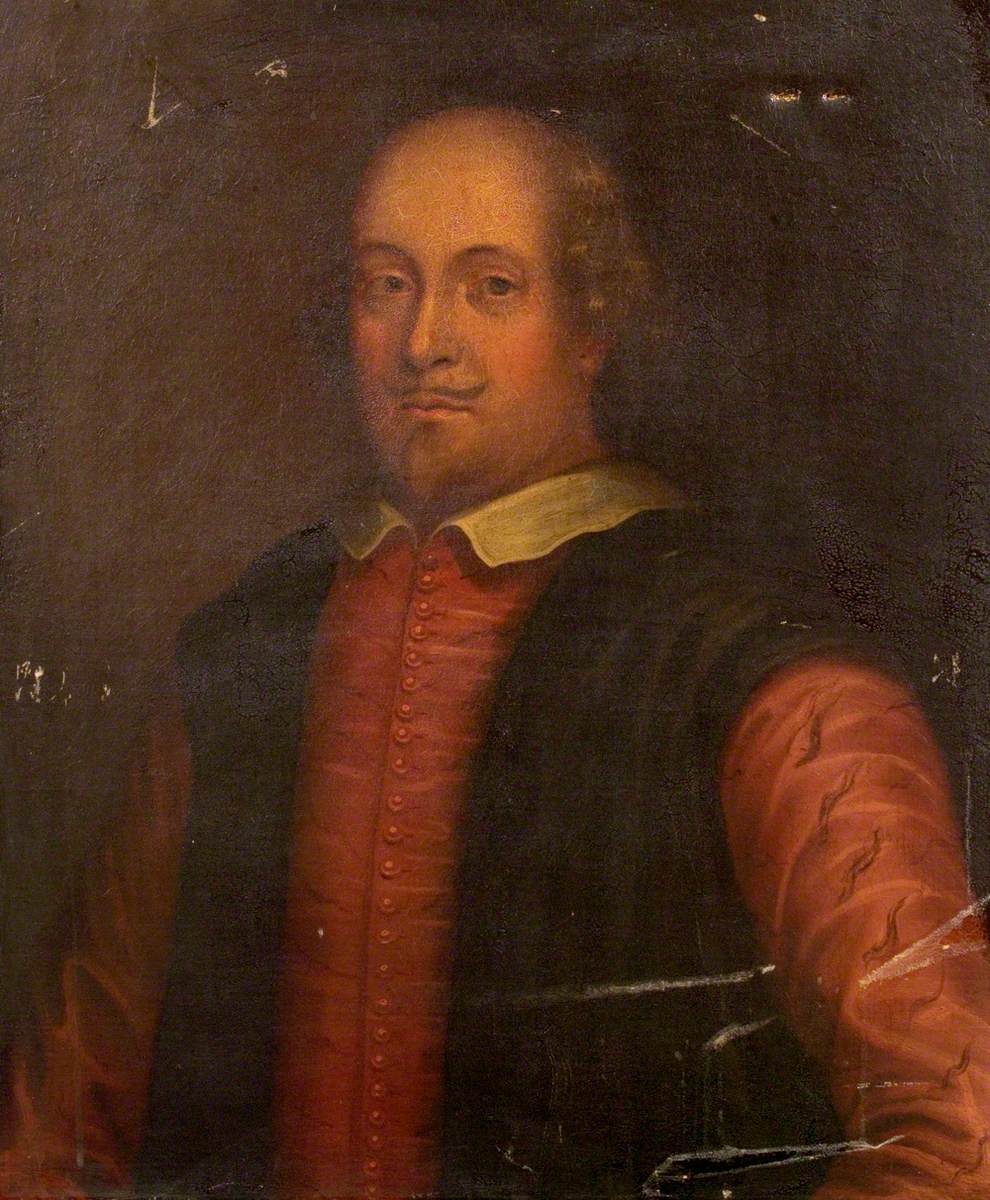
About the Poet — William Shakespeare


https://d3d00swyhr67nd.cloudfront.net/w1200h1200/collection/WAR/SBT/WAR_SBT_43-001.jpg

William Shakespeare (1564–1616) is one of the greatest writers in English literature. He wrote plays, poems, and 154 sonnets that explore love, time, beauty, politics, and human psychology. His sonnets are admired for their philosophical depth and emotional insight.

Important characteristics of Shakespeare’s sonnets:

  • Written in iambic pentameter

  • 14-line structure

  • Exploration of time and mortality

  • Emotional and intellectual balance

Sonnet 16 belongs to a sequence addressed to a young man, encouraging him to preserve his beauty through offspring.

Original Text — Sonnet 16

But wherefore do not you a mightier way
Make war upon this bloody tyrant, Time?
And fortify yourself in your decay
With means more blessed than my barren rhyme?
Now stand you on the top of happy hours,
And many maiden gardens yet unset
With virtuous wish would bear your living flowers,
Much liker than your painted counterfeit.
So should the lines of life that life repair
Which this Time’s pencil or my pupil pen
Neither in inward worth nor outward fair
Can make you live yourself in eyes of men.
To give away yourself keeps yourself still,
And you must live, drawn by your own sweet skill.

General Meaning of the Sonnet

The speaker asks why the young man does not fight against time in a stronger way. Poetry can only create an image or representation of beauty, but having children creates a living continuation of oneself. Shakespeare suggests that reproduction preserves true life, while poetry only imitates it.

The sonnet presents two opposing forces:

  • Time → destructive power

  • Life through reproduction → preservation

Detailed Explanation of the Sonnet:

First Quatrain — Challenge Against Time

The speaker questions why the young man does not resist time more effectively. Time is described as a violent tyrant that destroys youth and beauty. Poetry is called “barren rhyme,” meaning it cannot produce real life.

Key ideas:

  • Time destroys physical beauty

  • Poetry alone cannot defeat mortality

  • Stronger action is required

The word “war” suggests an active struggle against aging.

Second Quatrain — Natural Creation vs Artificial Representation

The poet explains that many women would be willing to bear the young man’s children. These children would be “living flowers,” real expressions of beauty, unlike painted or written representations.

This section contrasts:

  • Living beauty → natural, organic

  • Artistic image → artificial, temporary

The metaphor of gardens and flowers emphasizes fertility and growth.

Third Quatrain — Limits of Art

The speaker admits that neither time’s painting nor poetry’s writing can fully preserve a person’s true essence. Art can show appearance but cannot create living existence.

Important ideas:

  • Art imitates life but does not replace it

  • True preservation requires biological continuity

  • Identity survives through living descendants

This shows Shakespeare’s awareness of the limitations of artistic immortality.

Final Couplet — Paradox of Giving and Keeping

The poem ends with a paradox: by giving yourself away (having children), you keep yourself alive. Life continues through reproduction.

This couplet expresses the central message:
True immortality comes through life itself.

Major Themes:

1. Time as a Destroyer

Time is presented as a tyrant that inevitably destroys youth. Shakespeare often treats time as an unstoppable force.

Time causes:

  • Aging

  • Decay

  • Loss of beauty

The poem becomes a call to resist time’s power.

2. Immortality Through Reproduction

The sonnet argues that children provide continuity of life. Beauty survives not through memory but through living existence.

Reproduction represents:

  • Renewal

  • Continuity

  • Natural victory over time

3. Limits of Poetry

Unlike later sonnets where Shakespeare claims poetry gives immortality, here he admits poetry is limited.

Poetry can:

  • Preserve memory

  • Represent appearance

But poetry cannot:

  • Create life

  • Stop aging

4. Nature vs Art

The poem contrasts natural creation with artistic creation.

Nature → living beauty
Art → representation

Shakespeare emphasizes the superiority of nature.

5. Identity and Legacy

The sonnet explores how humans seek permanence. It suggests identity continues through future generations rather than artistic fame alone.

Literary Devices

Personification

Time is described as a tyrant and enemy. This makes aging seem like an active force.

Metaphor

Children = living flowers
Poetry = barren creation

These metaphors contrast life and art.

Paradox

“Giving yourself away keeps yourself still”
This expresses continuity through reproduction.

Imagery

Gardens, flowers, painting, and writing create visual contrasts between life and representation.

Tone

The tone is persuasive and urgent. The speaker tries to convince rather than simply admire.

Structural Features

The sonnet follows the Shakespearean structure:

  • Three quatrains

  • One final couplet

  • Iambic pentameter

  • Rhyme scheme ABAB CDCD EFEF GG

The argument develops logically:

  1. Problem — time destroys beauty

  2. Solution — reproduction

  3. Limitation of poetry

  4. Final conclusion

Philosophical Interpretation

The poem raises philosophical questions about human existence:

  • What creates immortality?

  • Is art enough to preserve identity?

  • What is the relationship between life and representation?

Shakespeare suggests biological continuity is more powerful than artistic preservation.

Psychological Insight

The poem reflects human anxiety about aging and death. It also shows the desire to leave a legacy. The speaker’s persuasion suggests emotional urgency — time is already advancing.

Relation to Other Shakespeare Sonnets

Sonnet 16 belongs to a group encouraging procreation. Later sonnets claim poetry preserves beauty forever. This shift shows Shakespeare exploring different solutions to mortality.

Thus the sequence moves from:
Reproduction → Poetry → Love → Time

Critical Appreciation

Scholars admire the sonnet for:

  • Logical argument

  • Balance of emotion and intellect

  • Natural imagery

  • Philosophical depth

It shows Shakespeare as both poet and thinker.

Universal Significance

The poem remains relevant because:

  • Aging is universal

  • Humans seek permanence

  • The tension between art and life continues

Modern readers still face the same questions of legacy and mortality.

Overall Interpretation

Sonnet 16 is not only about beauty but about survival. Shakespeare presents time as an enemy and life as resistance. By emphasizing reproduction over poetry, the sonnet highlights the difference between representation and reality.

The poem suggests that the truest form of immortality is not memory but continuation of life.

Conclusion:

Sonnet 16 offers a powerful reflection on time, beauty, and permanence. Through persuasive language and vivid imagery, Shakespeare argues that human life must actively resist destruction by time. The poem reminds readers that beauty is temporary but life can renew itself through future generations.

Its philosophical insight, emotional depth, and elegant structure make it one of the most meaningful sonnets in English literature.


References:

 Academy of American Poets. (1609). But wherefore do not you a mightier way (Sonnet 16). Poets.org. Retrieved March 1, 2026, from https://poets.org/poem/wherefore-do-not-you-mightier-way-sonnet-16

 Mahwite, K. (2016). William Shakespeare’s Sonnet 16 analysis. www.academia.edu. https://www.academia.edu/27396533/William_Shakespeares_Sonnet_16_Analysis

 Shakespeare’s Sonnets - Sonnet 16 | Folger Shakespeare Library. (n.d.). Folger. Retrieved March 1, 2026, from https://www.folger.edu/explore/shakespeares-works/shakespeares-sonnets/read/16/

 Shakespeare, W. (n.d.). Sonnet 16.


David Copperfield by Charles Dickens

This blog based on the Novel  David Copperfield by Dickens. Introduction — David Copperfield David Copperfield is one of the most significa...